Let me be real with you for a second.
Every year around World Whisky Day, you see the same thing, posts, listicles, Instagram carousels full of generic "here are the five types of whiskey" content that reads like a Wikipedia entry someone printed out at Kinkos.
That's not what this is.
This is for the person who's been drinking bourbon long enough to have opinions, maybe wandered into a Scotch once or twice, and thought "wait, how is this even the same category of drink?" It's also for the enthusiast who knows their stuff but wouldn't mind a clean, no-fluff breakdown they can actually use the next time someone at a dinner party asks you to explain the difference between a single malt and a Japanese blended.
World Whisky Day — May 16 — (WWD falls on the 3rd Saturday each year) isn't just an excuse to crack something open (though, please do). It's a genuine reminder that whiskey as a category is one of the most diverse, interesting, and honestly misunderstood spirits on the planet. And once you understand why bourbon tastes like bourbon, why Scotch tastes like Scotch, and why Japanese whisky seems to exist in its own entirely different dimension, the glass in your hand gets a lot more interesting.
So let's get into it.
First Things First: What Even Is "Whiskey"?
All whiskey — regardless of country, style, or spelling — starts from the same basic concept: fermented grain mash, distilled, and then aged in wood.
That's the foundation. But from there, the rules completely diverge. And those rules, i.e. what grains you use, what barrels you age in, how long, at what proof, in what country are what separate a $30 bottle of Irish from a $300 bottle of Japanese single malt.
The short answer to "what's the difference between bourbon, Scotch, Irish, and Japanese whisky" is this: everything that happens after the grain.
Bourbon: America's Spirit, and Proud of It
If you're reading a Bourbon Concierge blog post, there's a good chance you already have a soft spot for bourbon. And rightfully so. Bourbon is arguably the most regulated, most rules-driven whiskey category in the world and that's a feature, not a bug.
What Makes It Bourbon
To legally call something bourbon, it has to hit all of these marks:
Made in the USA (yes, anywhere in the U.S. — not just Kentucky, though Kentucky does it best)
At least 51% corn in the mash bill
Distilled to no more than 160 proof
Entered into the barrel at no more than 125 proof
Aged in new, charred oak barrels
Bottled at a minimum of 80 proof
No additives. No coloring. No shortcuts.
That last point is worth emphasizing. In a world where many spirits categories allow producers to add caramel coloring, flavoring, or other additives to hit a consistent profile, bourbon doesn't. What you taste is what happened in the barrel. Nothing else.
Why It Tastes the Way It Does
The new charred oak requirement is the single biggest driver of bourbon's flavor profile, and it's what separates it from almost every other whiskey style in the world. New wood means more wood influence, faster. The char creates a layer of carbon that filters out harsh congeners early in maturation, and then the spirit spends years extracting sugars, tannins, and flavor compounds from the fresh wood beneath.
The result? That unmistakable combination of:
Vanilla and caramel — pulled directly from the wood's natural sugars
Brown sugar and baking spice — especially in rye-forward mash bills
Dark cherry and dried fruit — often in older, more developed expressions
Toasted oak — the backbone that ties everything together
Peanut and nuttiness — showing up in certain mash bills, particularly high-corn expressions
The higher the corn content, the sweeter and rounder it tends to run. Add more rye to the mash bill and the whole profile pivots, drier, spicier, more angular.
Two Styles Worth Knowing
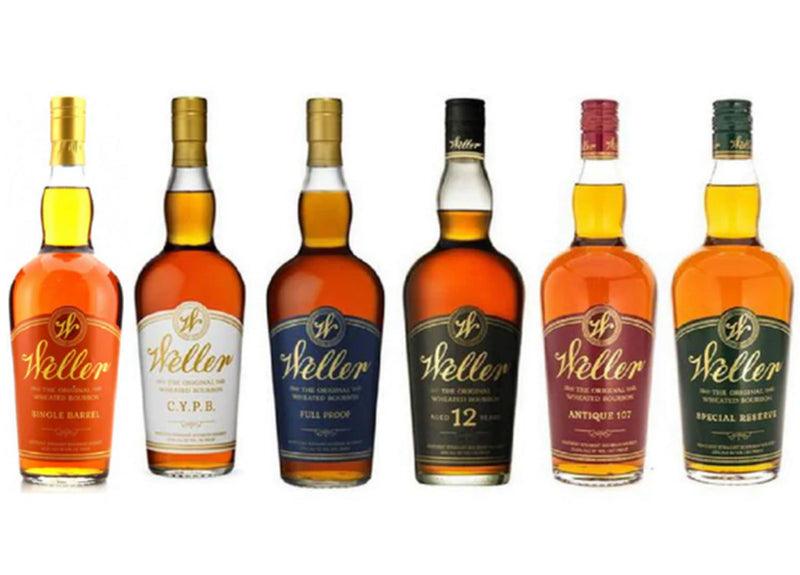
Wheated Bourbon replaces some or all of the rye in the mash bill with wheat as the secondary grain. The result is a softer, rounder, more approachable whiskey. Think Weller, Pappy Van Winkle, Larceny. Less spice, more pure sweetness and caramel.
High-Rye Bourbon leans into the spice. Think Four Roses, Bulleit, Old Grand-Dad. More backbone, more complexity on the back end, and often a better candidate for cocktails because the spice stands up to mixers.
Beyond mash bill, you've got single barrel, small batch, and cask strength releases — each adding another dimension to how you experience the spirit.
Who Boubon is For
Bourbon is the move if you love a fuller-bodied, flavor-forward pour that doesn't apologize for being bold. If you want richness, oak influence, and a sweetness that actually earns its place in the glass, bourbon is your home base.
Bottles Worth Exploring
Blood Oath Pact Series — One of the more creative expressions in modern bourbon. Each annual Pact release uses a different finishing technique — rum barrels, cognac casks, Scotch barrels — to add a layer of complexity you don't usually find at this price point. Great for the collector who wants something to talk about and drink.
Old Carter Bourbon — If you want to understand what barrel strength bourbon can do when the raw material is exceptional, Old Carter is the conversation. Dense, concentrated, and built to be sipped. Not for the faint of heart, but absolutely for the serious drinker.
Heaven Hill Heritage Collection — Heaven Hill doesn't get enough credit. Their Heritage releases showcase what happens when you commit to age and let Kentucky heat and cool do its work. Classic, oak-driven, and deeply satisfying.
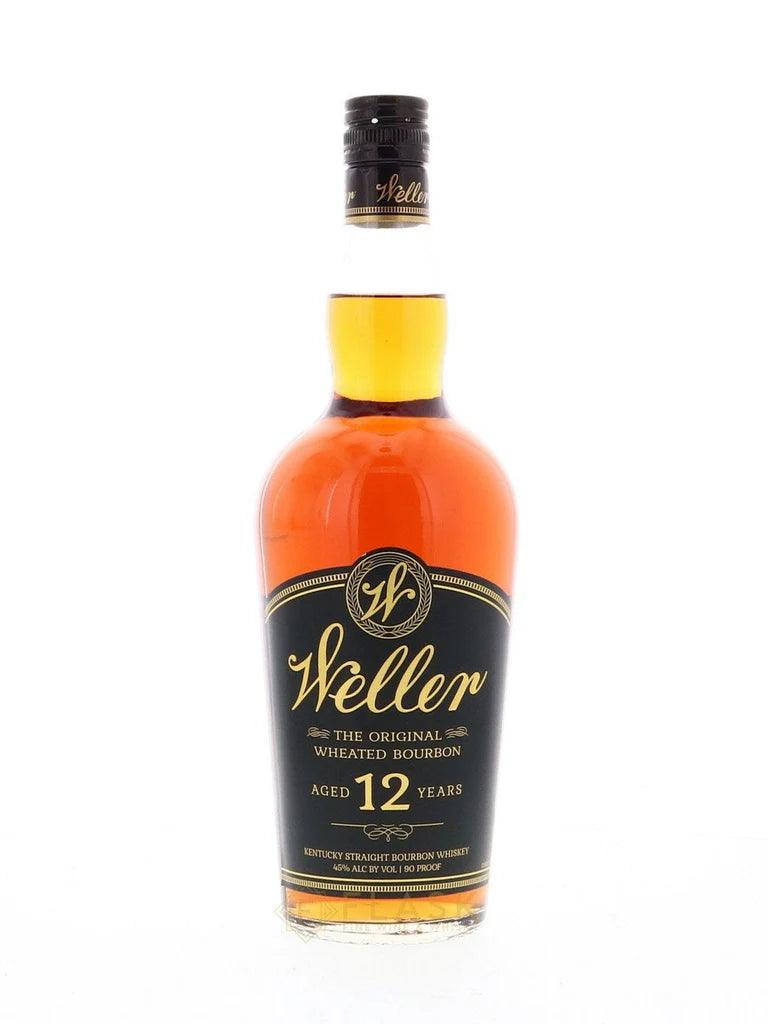
Weller 12 Year — The benchmark wheated bourbon that's increasingly hard to find at a fair price. Caramel, vanilla, and a rounded sweetness that makes it dangerously easy to drink. If you can get it, get it.
Scotch Whisky: Centuries of Craft, One Island at a Time
Scotch is where a lot of bourbon drinkers hit a wall. The flavor profiles are often dramatically different and if your first Scotch experience happened to be an Islay peat bomb, it might have been enough to send you back to the bourbon shelf and never look back.
That would be a mistake. Because Scotch is one of the most diverse whisky categories on earth, and the right bottle for a bourbon drinker absolutely exists.
What Makes It Scotch
The rules are simpler than bourbon but no less strict:
Made in Scotland. Aged in Scotland.
Minimum three years in oak casks
Distilled from malted barley (for single malts) or a combination of grains (for blends)
No minimum age statement required but age statements are common and meaningful
Used casks are the norm, not new wood
The used cask piece is huge for the Scotch distinction. While bourbon extracts flavor from fresh, aggressive new oak, Scotch leans on barrels that have already done time, often ex-bourbon barrels from Kentucky, or ex-sherry casks from Spain. The result is a more subtle, layered wood influence, with the flavor of the grain itself and the secondary character of whatever was in that barrel before playing a bigger role.
The Two Big Categories
Single Malt Scotch comes from a single distillery, made entirely from malted barley. This is where regional character really shines because the distillery's location, water source, production methods, and barrel choices create something that can't be replicated anywhere else.
Blended Scotch combines whisky from multiple distilleries, and it makes up the majority of Scotch sold worldwide. Great blends and there are genuinely great ones that achieve a consistency and complexity that no single distillery could match on its own.
The Regional Flavor Map
This is where Scotch gets genuinely interesting. Different regions of Scotland produce dramatically different styles:
Speyside — The most celebrated region and a great entry point. Fruity, honeyed, elegant. Think Glenfiddich, Macallan, Glenlivet.
Highland — Broad and diverse. Can range from rich and peaty to floral and delicate. Hard to generalize, easy to explore.
Islay — The peat island. Intensely smoky, briny, medicinal. Lagavulin, Laphroaig, Ardbeg. Not a beginner's pour, but deeply rewarding.
Lowland — Light, grassy, gentle. Often triple distilled. Great for drinkers easing into Scotch.
Campbeltown — Small region, big character. Oily, slightly briny, and funky in the best way.
Let's Kill the "All Scotch Is Smoky" Myth Right Now
This is the single most common misconception that keeps bourbon drinkers from exploring Scotch. Peat smoke is one flavor dimension in one region of Scotland. The vast majority of Scotch including some of the world's most celebrated expressions is completely unpeated. Speyside Scotch often tastes closer to a fruit-forward dessert than it does to a campfire.
Don't let Islay be the only Scotch you ever try.
Bottles Worth Exploring
The Macallan Sherry Oak Series — If you want to understand what a sherry cask can do for a whisky, Macallan is the definitive answer. Rich dried fruit, dark chocolate, warm spice, and a silkiness that's hard to match. This is a great bridge from bourbon for drinkers who love sweetness and depth.
Lagavulin 16 Year — If you've ever been curious about peated Scotch, Lagavulin is the one. Intensely smoky, yes, but also remarkably balanced with a complexity that reveals itself slowly over a long finish. It's a commitment, but a rewarding one.
Glenmorangie — The perfect first single malt for a bourbon drinker. Honey, citrus, vanilla, soft oak. It's refined without being difficult, and their cask-finished expressions are some of the best-value quality in the category.
Irish Whiskey: The Most Approachable Pour in the Room
Irish whiskey has a PR problem that has nothing to do with quality. For decades it was lumped in with "beginner" spirits and largely dismissed by serious whiskey drinkers chasing the next allocated bourbon or limited-release single malt.
What Makes It Irish Whiskey
Made and aged in Ireland
Minimum three years in wooden casks
Can be made from malted barley, unmalted barley, corn, or other grains
Traditionally triple distilled though not required by law
The triple distillation piece is what you'll hear most often when people explain the Irish style, and it's genuinely significant. Running the spirit through the still a third time strips away more of the heavier, harsher compounds, leaving something notably cleaner and lighter than you'd get from a double-distilled Scottish equivalent.
What It Tastes Like
The signature of great Irish whiskey is approachability without shallowness. You're getting:
Honey and orchard fruit — often apple, pear, soft stone fruit
Light baking spice — subtle, not aggressive
Vanilla — present but not dominant
Biscuit and cereal notes — especially in the single pot still expressions
A clean, smooth finish — less wood-forward than bourbon, less complex than aged Scotch
The category you really want to pay attention to is Single Pot Still Irish Whiskey, a style unique to Ireland, made from a combination of malted and unmalted barley in the same distillation. It adds a distinctive spicy, creamy, almost oily texture that makes the category unlike anything else in the world.
A Quick Note on the Spelling
You've probably noticed it: the US and Ireland use "whiskey" (with the e). Scotland, Japan, and Canada use "whisky" (without). Both are correct. Both reflect genuine regional tradition. And neither tells you much about quality, that's in the glass.
Bottles Worth Exploring
Redbreast 12 Year — The benchmark for single pot still Irish whiskey. Richer, more complex, and more rewarding than most casual drinkers expect from Irish. Orchard fruit, warm baking spice, toasted nuts, and a long, satisfying finish. This is the bottle that converts bourbon drinkers into Irish whiskey believers.
Red Spot — Part of the legendary Mitchell & Son "Spot" series, the Red Spot is finished in Marsala wine casks, which adds a distinctive fruit richness and depth that makes it feel almost luxurious. Excellent for a special occasion pour or a meaningful gift.
Japanese Whisky: Precision in a Glass
Japanese whisky is the category that continues to baffle and fascinate in equal measure. It borrowed most of its production philosophy from Scotland in the early 20th century. And then, quietly and methodically, it went and became something entirely its own.
The word you hear most often around Japanese whisky is balance. And it's earned.
What Makes It Japanese Whisky
Here's where it gets a little complicated: Japan's whisky regulations, until recently, were notably loose compared to the rest of the world. As of 2021, the Japan Spirits & Liqueurs Makers Association established new standards requiring that whisky labeled "Japanese whisky" must be:
Made from malted grain and water
Fermented, distilled, and aged in Japan
Aged at least three years in wooden casks of 700 liters or less
Bottled in Japan at a minimum of 40% ABV
This matters because for years, some producers were importing bulk Scotch or Canadian whisky and bottling it in Japan under Japanese branding, a practice that the new rules are designed to phase out.
What It Tastes Like
Japanese whisky tends to prioritize subtlety over power. Where bourbon hits you with caramel and oak, and Islay Scotch grabs you by the lapels with smoke, Japanese whisky tends to unfold gradually. You're looking for:
Delicate fruit — often pear, peach, soft citrus
Floral and green tea notes — particularly in lighter expressions
Honey and vanilla — present, but restrained
Soft smoke — some expressions use Japanese mizunara oak, which adds a unique incense-like quality
Exceptional texture and mouthfeel — this is where Japanese whisky really earns its reputation
The mizunara oak point is worth a deeper note: it's a Japanese oak species that imparts flavors unlike anything from American or European cooperage, sandalwood, coconut, spice and contributes to some of the most unique flavor profiles in whisky. It's also extraordinarily expensive and difficult to work with, which is one reason Japanese whisky commands a premium.
Why Is Japanese Whisky So Expensive?
Three reasons: limited production, genuine age statements, and global demand that has far outpaced supply. When Suntory's Yamazaki 12 Year and Nikka's expressions started winning international awards in the 2000s and 2010s, the world took notice simultaneously and Japanese distillers didn't have enough aged stock to keep up. The result is consistent scarcity that has pushed secondary market prices into uncomfortable territory for some bottlings.
Bottles Worth Exploring
Hibiki Harmony — The perfect introduction to Japanese whisky. Beautifully balanced, honeyed and floral with soft oak, and packaged in one of the most striking bottles in the spirits world. If you want one Japanese whisky to share with someone who's never explored the category, this is it.
Yamazaki 12 Year — Suntory's flagship single malt, and a legitimate benchmark. Soft fruit, delicate oak, and a complexity that grows on you the more you sit with it. Worth every bit of the effort it takes to find it at a fair price.
Nikka From the Barrel — The wildcard on this list. Higher proof than most Japanese expressions (around 51.4% ABV), and it shows. This one has genuine richness and structure that surprises people expecting the typical restrained Japanese profile. Remarkable value for the quality in the bottle.
The Quick Reference: All Four Styles at a Glance
Bourbon
Scotch
Irish Whiskey
Japanese Whisky
Country
USA
Scotland
Ireland
Japan
Primary Grain
Corn (51%+ minimum)
Malted barley
Mixed grains/barley
Malted barley
Barrel Type
New charred oak (required)
Used casks (ex-bourbon, sherry, wine)
Used casks
Scotch-inspired; some mizunara oak
Minimum Age
None (but must be "straight" at 2yr+)
3 years
3 years
3 years (new rules)
Typical Flavor
Vanilla, caramel, oak, spice
Smoke, malt, dried fruit, earth
Honey, orchard fruit, light spice
Floral, delicate fruit, balanced
Overall Character
Bold and rich
Complex and regionally varied
Smooth and approachable
Elegant and precise
Additives Allowed?
Never
No (single malt)
Varies by type
Varies
Which Style Should You Explore Next?
Here's the honest version of this answer, without hedging:
If you love bourbon but haven't explored outside it — start with a sherried Speyside Scotch. Macallan or Glenmorangie. The sherry cask influence will feel familiar to your bourbon palate (sweetness, dried fruit, warmth), but the malted barley base will show you something you've never tasted before.
If you want the easiest possible on-ramp to a new type of spirit — Irish whiskey. Specifically, Redbreast 12. It's smooth enough that it won't challenge you, complex enough that it'll actually hold your interest, and it costs less than most of the Scotch in the same quality tier.
If you want to impress someone at a dinner party or give a genuinely memorable gift — Japanese whisky. Hibiki Harmony is the answer almost every time. Beautiful bottle, stunning liquid, and a story that sells itself.
If you're ready to go somewhere intense — Lagavulin 16. Find a night when you're not in a hurry. Pour it neat. Don't fight it. Let it do its thing.
And if you're a bourbon head who thinks whiskey outside of Kentucky is just background noise? Respectfully: branch out. The world of whisky is genuinely incredible, and there is no finish line. That's the whole point.
Final Thought
The spirit in your glass, whatever style it is, got there through centuries of tradition, an insane amount of agriculture and chemistry and craft, and someone somewhere making thousands of decisions about grain, yeast, distillation, wood, and time.
That's worth slowing down for.
World Whisky Day on May 16 isn't just a calendar moment. It's a reason to open something a little outside your comfort zone, share it with someone who appreciates it, and remember that the best whiskey is usually the one you're actually paying attention to.
Cheers!